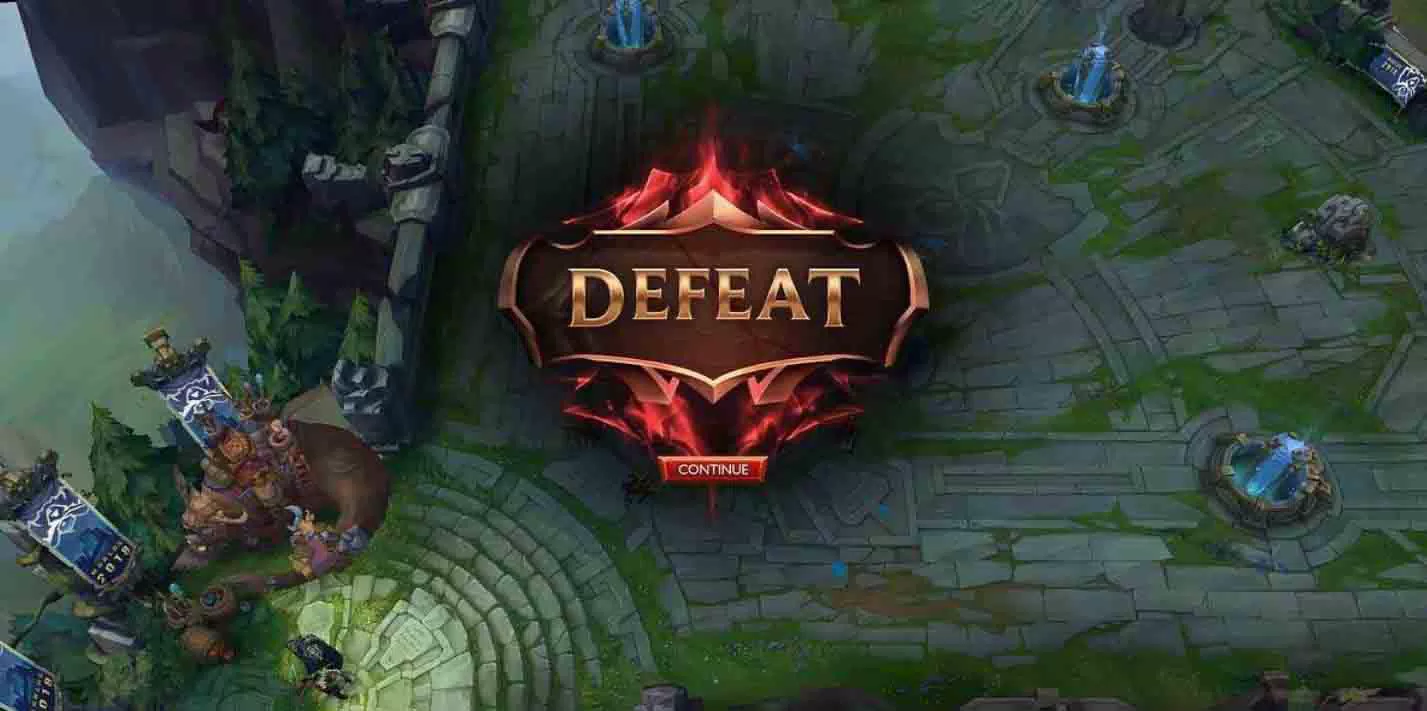
Every League of Legends player has a version of the same story: a match that was perfectly winnable until one bad fight, one rude message, or one missed skill shot, after which everything started going wrong faster than it should have. The strange part is that the champion, the items, and the enemy team hadn't actually changed. What changed was the player's head, and that shift decides far more games than most people admit.
What Tilt Actually Is
Tilt is a state where frustration starts driving decisions instead of the situation itself. It rarely announces itself. A player on tilt doesn't think they're playing worse, they think they're making bold plays, fighting back, or refusing to be pushed around. In reality, they're taking fights they would normally avoid, chasing kills they would normally let go, and ignoring information they would normally notice.
The most damaging effect is how tilt narrows attention. A calm player checks the minimap, tracks enemy cooldowns, and weighs whether a fight is worth taking. A frustrated player locks onto the thing that angered them, usually a specific enemy or a teammate's mistake, and stops processing everything else. That's why tilted players often die in ways that seem obvious afterward but were genuinely invisible to them in the moment.
Where Tilt Comes From
Most tilt starts from one of a few sources. The first is early losses, such as dying in lane or falling behind quickly, which creates a sense that the game is already lost. The second is teammates, whether through bad plays, arguments in chat, or a perceived lack of effort. The third is carryover from earlier games, where frustration from a previous loss follows the player into the next queue and shortens their patience before the match even starts.
The third source is the sneakiest, because it makes a single bad game turn into a streak. Many long losing streaks aren't caused by a sudden drop in skill, they're caused by playing several games in a row while already frustrated, each loss feeding the next one.
The Two-Minute Reset
When frustration starts building mid-game, the most effective tool is usually a short mental reset rather than trying to push through it. That can be as simple as taking a breath when the respawn timer starts, deliberately thinking through what you want to do after respawning instead of replaying the mistake, and picking one concrete goal for the next few minutes, like farming safely or helping with an objective.
The goal isn't to feel calm, it's to redirect attention from what already happened to what can still be changed. A death that's already happened can't be undone, but the next two minutes are still fully in your control, and focusing on them is the fastest way to stop one mistake from becoming five.
Chat Is Optional
One of the most reliable ways to protect your focus is to treat the chat as optional. Arguments in champion select or mid-game almost never change anyone's behavior, and they consume attention that would be better spent on the actual game. Muting disruptive players, or muting everyone except pings, removes a major source of tilt without costing any real information, since the most useful communication in the game happens through pings and the map anyway.
This isn't about ignoring teammates, it's about choosing what kind of communication is actually useful. A calm, specific call about an objective timer helps. A long message about who made which mistake doesn't.
Knowing When to Stop Queueing
Perhaps the most valuable mental game habit is knowing when to stop playing. Two or three consecutive losses, especially when frustration is carrying between games, is usually a sign that the next game won't go better, regardless of how determined the player feels. Taking a break, even a short one, resets attention and removes the compounding effect of playing while irritated.
It helps to decide in advance what the stopping point is, instead of relying on judgment in the moment, since judgment is exactly what tilt damages. Something simple, like stopping after two losses in a row or after any game that left you visibly frustrated, protects against the slow slide that turns a bad evening into a long losing streak.
Reviewing Games Without Self-Punishment
Reflection is useful, but only if it's honest and specific. Looking back at a lost game and identifying one or two concrete decisions that could have gone differently builds real improvement. Replaying every mistake in detail while feeling frustrated does the opposite, reinforcing the sense that everything went wrong and making the next game harder to approach with a clear head.
A good habit is to ask one question after a loss: what's one thing I'd do differently? Answering it, then moving on, captures the learning without feeding the frustration.
The Bottom Line
Tilt isn't a character flaw, it's a normal response to frustration that every player experiences, and the difference between players who climb and players who stall is often how they handle it. Short resets during a game, treating chat as optional, stopping before a losing streak compounds, and reviewing games honestly without self-punishment all protect the one thing that matters most in every match: clear decision-making. Mechanical skill sets the ceiling, but a steady head decides how often a player actually reaches it.
For more on competitive habits and improving at the game, Riot Games' official How to Play page is a useful reference to check.